
Reading Time: 9 minutes
This Year in Influencer Marketing: Trends, Shifts, and What’s Next
The influencer marketing world is constantly evolving, shaped by changing consumer habits, a push for authenticity, and new social media features. With everything that happened this past year, from the potential TikTok ban to shifting platform priorities, brands and creators are gearing up for a year of fast changes. And we’re already seeing the trends that are going to shape what’s next. Polished ads are taking a backseat to content that feels real, relatable, and rooted in everyday life.
Brands are leaning into this shift by turning loyal fans into creative partners and letting organic conversations lead the way. And with platforms like TikTok, Instagram, and YouTube making it possible to shop directly in-app, the line between content and commerce is getting blurrier, and more exciting than ever heading into the new year.
The Era of Instant Shopping
Shoppable content is quickly becoming a go-to trend in influencer marketing. With features like TikTok Shop, Instagram Checkout, and YouTube Shopping, viewers can now see something they love and buy it right on the spot, no extra steps needed. It’s especially popular during seasonal campaigns, when creators are sharing limited-time deals or product drops.
The magic of this trend lies in how it blends convenience and urgency, people can act on that “I need this now” feeling instantly, which makes these posts not only engaging but highly effective at driving real sales1.
Why Raw Storytelling Is Redefining Social Media
Perfect lighting, glossy filters, and scripted captions? They’re out. What audiences want now is real2. More than ever, social media users, especially Gen Z and younger Millennials, are craving authenticity. They’re tired of overly produced content that feels more like an ad than a story. Instead, they’re drawn to the messy, funny, and unfiltered moments that feel like scrolling through a friend’s camera roll. The shift is clear: audiences want connection, not curation. They can instantly tell when content feels forced, and they’re rewarding creators and brands who show up as their true, imperfect selves.
That’s why behind-the-scenes clips, day-in-the-life vlogs, and candid storytelling are thriving. These formats offer something high-production shoots rarely can, a sense of realness. When someone shares their actual experiences rather than a polished highlight reel, it builds trust. This move toward transparency reflects a broader cultural change: people no longer want to see just the “brand”; they want to see the humans behind it.
The proof is in the performance. Unfiltered, unscripted content is consistently outshining the polished stuff in engagement, shares, and watch time. Audiences are drawn to what feels spontaneous—like a FaceTime from a friend, not a commercial. For example, when a skincare influencer accidentally spilled product mid-video during a “get ready with me,” she didn’t stop recording. She laughed, kept going, and posted it anyway. The result? The video went viral, sparking higher engagement and product interest than the brand’s usual curated ads. That unscripted moment did what slick marketing couldn’t—it made people feel something genuine.
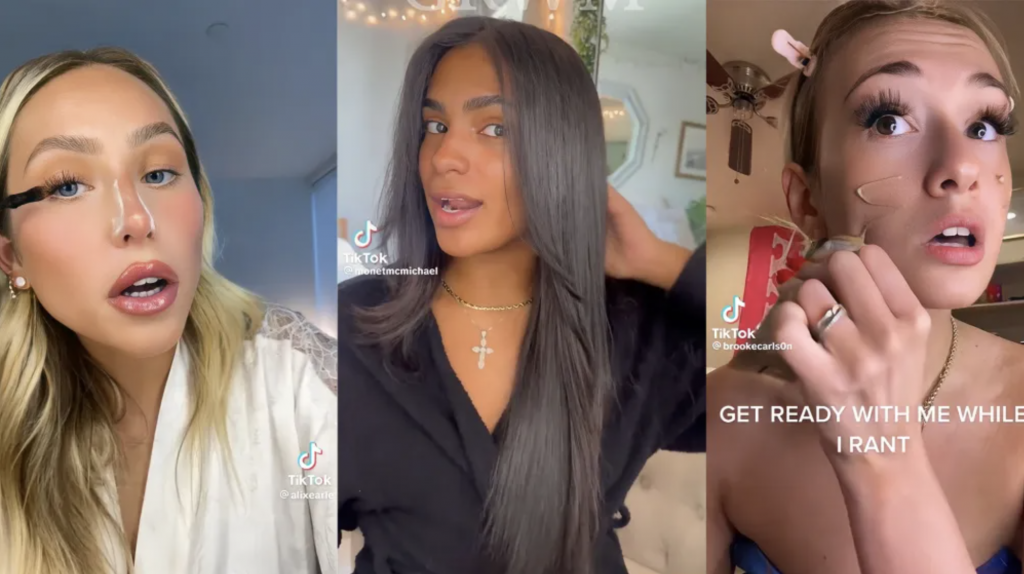
Even paid campaigns are taking notes. The best-performing ads today are the ones that don’t feel like ads at all. Think: shot-on-an-iPhone clips, trending audio, or casual, in-the-moment dialogue. These “organic-looking” ads blend seamlessly into users’ feeds, making viewers more likely to watch, laugh, or comment instead of scroll past. They work because they break down the wall between brand and consumer—feeling like a story shared, not a sale pitched.
Major brands have started leaning into this “raw” approach with impressive results3. Duolingo’s TikTok feels more like a chaotic meme account than corporate marketing, using humor and self-awareness to build community. Chipotle often reposts user-generated content and jumps on viral trends, keeping their tone relatable and current. Even the NFL has loosened up its social strategy, sharing locker room moments, player reactions, and pop culture tie-ins that make their content more human and shareable.
The takeaway? Raw storytelling isn’t about being unprofessional—it’s about being real. In a digital world where perfection feels distant, authenticity creates closeness. Whether it’s a creator posting a blooper or a brand sharing behind-the-scenes moments, content that feels honest, relatable, and in-the-moment wins every time. Because when audiences see the human side, they don’t just watch—they connect.
Real Fans, Real Influence
A new wave of influencer marketing is taking shape and it’s rooted in authenticity. More brands are waking up to the power of partnering with creators who are already genuine fans of their products. Instead of sending cold outreach emails or chasing the biggest names, they’re digging into their mentions to find the people who’ve been engaged all along. These creators have already built trust with their audience, and that trust naturally extends to the brands they organically support.
What makes these partnerships so powerful is that they feel real. When audiences see a creator they already follow and trust suddenly doing a sponsored post, it only resonates if they’ve seen that person authentically using the product before. That’s the magic of this approach, it’s not about paying someone to like something; it’s about spotlighting someone who already does. Partnerships begin to feel genuine, not transactional and content that sparks connection instead of skepticism.
Brands taking this strategy a step further are finding even greater success4. Instead of one-off collaborations, they’re inviting creators into the fold — giving them long-term roles, creative input, or even a say in campaign direction. These creators aren’t just faces on a feed; they’re true partners who understand both the brand and its audience. By empowering authentic fans, brands gain insight that feels grassroots, not corporate — and audiences can tell the difference.
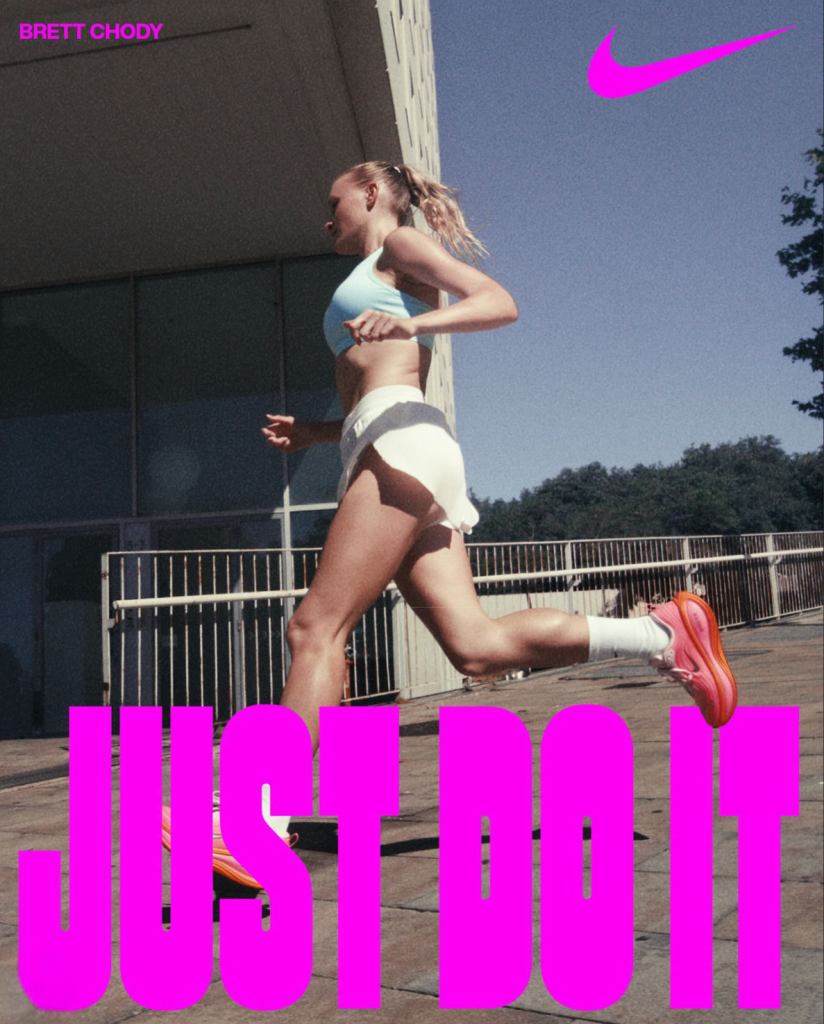
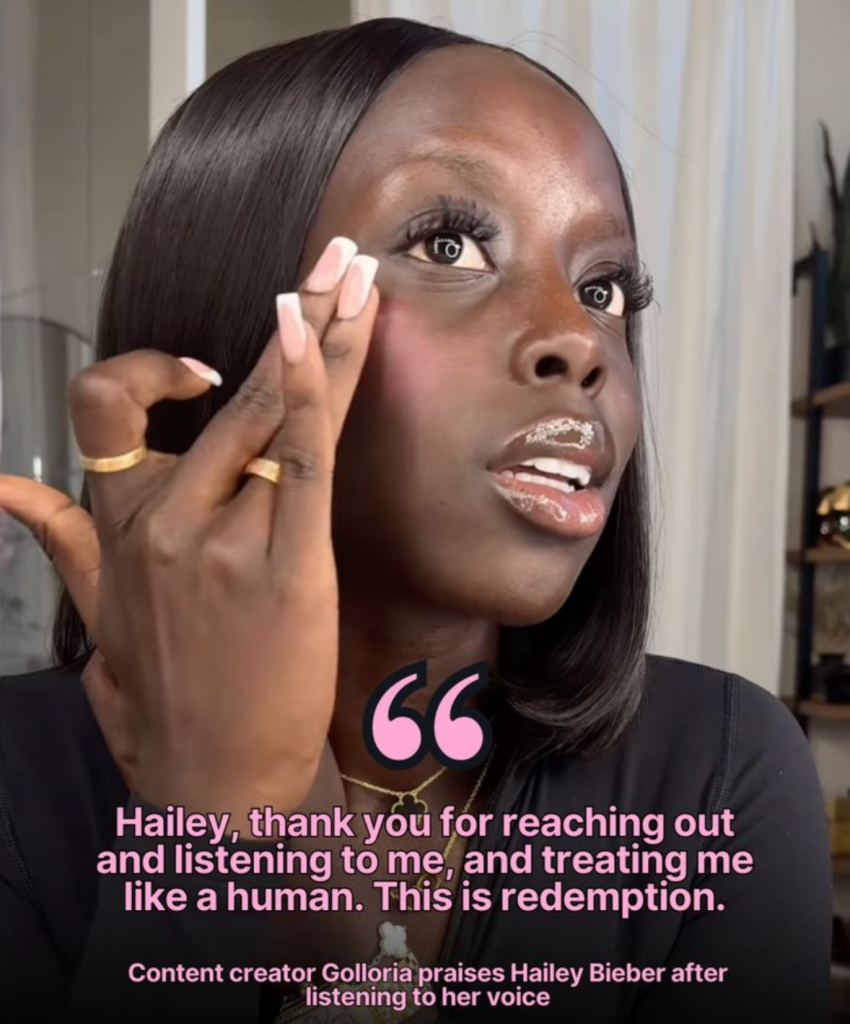
We’re already seeing standout examples of this shift. Diet Coke teamed up with Haus Kris, a creator who had been posting about her love for the drink long before the partnership, to produce a campaign that perfectly blended her quirky, playful style with the brand’s iconic tone. Nike elevated Brett Chody, a longtime fan, into an official partner — giving her the chance to influence campaigns celebrating female empowerment. And Rhode turned Golloria’s public criticism for the brand into a deeper collaboration, inviting her to be part of the brand’s creative campaigns and community, cementing Rhode’s “for the people” image5.
At its core, amplifying organic fans is about turning brand love into brand storytelling. It bridges the gap between marketing and community — transforming influencer campaigns into authentic extensions of the fandom that already exists. When brands champion their real supporters, they don’t just promote products; they amplify passion. And that’s what today’s audiences respond to most — real people, real enthusiasm, and real connection.
TikTok Ban
2025 was another year of groundbreaking social media events, with major policy changes and features shaking up how users interact with the platforms. From government regulation to innovation, this year shaped the way people scroll, share, and stay online.
The biggest headline this year came from TikTok, which has been facing a potential ban in the United States since January 1 of this year6. A 2024 law required the app to separate from its Beijing-based parent company, ByteDance, or risk being removed nationwide. TikTok was officially taken down from app stores in the US by midnight of January 18th, 2025, but it was short-lived as the app returned online after the new president announced a pause on the enforcement of the ban.
As of September, President Donald Trump has signed an order to keep TikTok in the United States by allowing its U.S. operations to be sold to a new, U.S.-based company with American ownership. The sale and transfer of ownership are still pending.
New Features on TikTok and Instagram
Beyond the political buzz, both TikTok and Instagram have introduced major app updates and features aimed at enhancing user experience and boosting engagement. Instagram rolled out their “Reposts” feature that allows users to share public Reels and posts directly onto their profiles, think of it as a modern twist on the classic “Retweet.” A new “Friends” tab in the Reels section now highlights what your friends have liked, commented on, or reposted. Plus, Reels can now be up to 3 minutes long giving creators more flexibility and can help avoid the dreaded “come back for Part 2!”
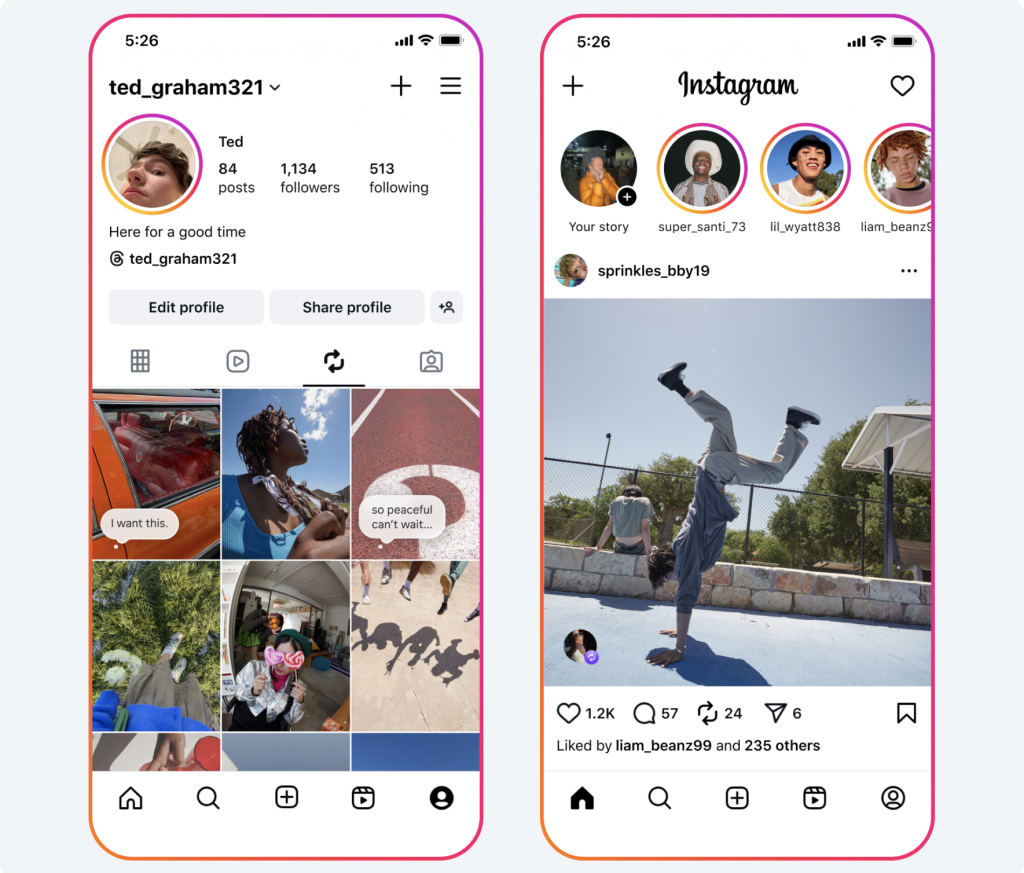
TikTok introduced their own “Repost” feature this year and has worked to expand their tools for both creators and commerce. With the rise of TikTok Shop, the new format allows creators to tag products directly onto their videos, making it seamless for viewers to browse and purchase featured items. The platform also launched a new “Creativity Program” that rewards creators with higher payouts on videos over a minute long, incentivizing creators to make longer content.
Overall, this year’s updates have proved that social media is more than just entertainment. Social media is powerful both culturally and economically and it does not show any signs of slowing down.
Markerly: Highlights and Impact from Our Year
This year, we’ve executed a wide range of campaigns, from lifestyle to health and beauty, but have especially honed our expertise in advocacy initiatives, which accounted for a large portion of our total campaigns. Through these efforts, we’ve helped amplify important messages, raise awareness around meaningful causes, and encourage positive behavior change.
Across all campaigns, we partnered with hundreds of creators, produced hundreds of content pieces, reached more than 27 million people, generated millions of paid impressions, and garnered over 10 million organic views. Overall across all campaigns, we achieved an average engagement rate of 52.8%, exceedingly above the industry standard of 2.1%. Our commitment to continually raising the bar is important to us, and this year we surpassed 100% of our guaranteed campaign deliverables.
At Markerly, we take pride in delivering top-tier creators to ensure brand safety and quality results. Every contracted creator undergoes a thorough vetting process before partnership. This year alone, our team critically vetted close to 10,000 creators to ensure the perfect fit for every campaign. While technology and automation can be useful at times, we believe the human touch is what truly sets us apart. In a landscape where many platforms rely on auto-generated lists, we take the time to look deeper and identify the creators who are genuinely the best fit.
We’re proud of the impact we’ve made and excited to continue helping brands connect with audiences through authentic creators and meaningful storytelling.
Markerly’s 2026 Forecast
As AI tools become more streamlined and accessible, we expect AI to play an even bigger role in social media next year. The biggest shift, however, will be in how creators blend AI with authenticity and creativity. Rather than relying on AI to come up with ideas, more creators will use it to enhance their creativity, whether that’s through smoother transitions, elevated visual effects, or more polished storytelling. We’re already seeing this with trends like AI-powered outfit transitions, and next year this kind of seamless, creator-led integration will only grow. The creators who stand out will be the ones who keep their unique voice at the center while using AI to elevate their content. See example here.
We’ve seen social commerce explode this year across platforms like Instagram, TikTok, and beyond7. As more brands embrace in-app shopping through Instagram Shops and TikTok Shop, this trend is only expected to grow even stronger in 2026. TikTok made purchasing even more seamless with new features that embed direct product links at the bottom of videos, while Instagram continues to enhance the shopping experience with creator-tagged products.
Amazon also remains a major player, with creators driving sales by linking followers directly to their curated storefronts.
As social media shopping becomes the new norm, brands are increasingly asking for deeper creator insights — not just engagement metrics, but concrete proof of performance. They’re looking for influencers who can deliver measurable sales and high conversion rates, marking a clear shift toward performance-driven partnerships. As a result, we expect that creators and talent representation agency partners will be asked for this data more frequently to establish credibility as a sales driver. Time to update those media kits!
Lastly, we assume that creators and brands will continue to push for a strong, consistent presence across multiple platforms. With all the talk around the TikTok ban and the lingering uncertainty around the app’s future, creators are becoming more aware of the risks of depending on a single app for their audience and income. Remember when our favorite TikTok creators were all dropping their Instagram and YouTube links before the blackout last January? Having a variety of different content on all platforms is no longer optional and will continue to be a priority into next year.
As creators are focusing on their popularity across multiple channels, we expect to see a continued rise in YouTube influencers and creators shifting to sharing more of their personal lives on the platform8. Many creators have begun shifting their focus from short-form content, to longer, more authentic videos of their everyday lives. TikTok has picked up on the trend too, pivoting by promoting its 10-minute video feature and expanding its Creativity Program to incentivize longer, higher-quality uploads. We expect 2026 will be the year of longer content, and strategic platform presence, as creators chase both stability and creative freedom.
Conclusion
As the influencer marketing landscape continues to evolve, one thing remains clear, authenticity and connection drive results. With new tools like in-app shopping and features that make content more social and shoppable than ever, brands have more opportunities to meet audiences where they are.
At Markerly, we’re proud to be at the forefront of these shifts, pairing our expertise with the right creators to craft campaigns that feel real, relevant, and results-driven. As we look ahead, we’re excited to continue helping brands innovate, adapt, and grow in this ever-changing digital world.
2 https://onlinemasters.jou.ufl.edu/social-media-authenticity/
4https://www.forbes.com/sites/katevitasek/2024/08/26/why-influencer-partnerships-work-and-why-this-is-unlikely-to-change/
5 https://www.eonline.com/news/1406806/how-hailey-biebers-rhode-beauty-reacted-to-influencers-inclusivity-critique
6 https://www.npr.org/2025/06/18/nx-s1-5430884/trump-tiktok-ban-third-extension
7https://www.vogue.com/article/gen-z-broke-the-marketing-funnel
8 https://www.globalmediainsight.com/blog/youtube-users-statistics/

